.
Horses have different personalities, just as humans do. And the personality dictates how you handle and train if you want to have a successful collaboration with your horse. Today I’m partially recycling a post from two years ago when I first started blogging. I assume most of my current readers haven’t seen it before.

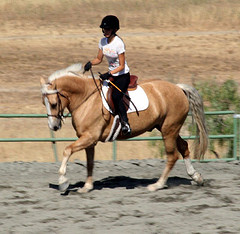
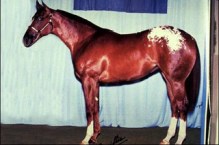
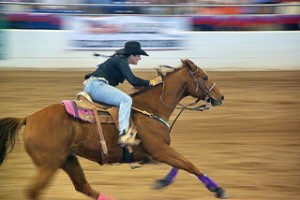
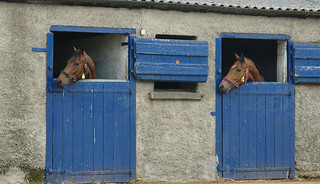
Extrovert enjoying showing off
You can classify horses as having one of four basic personalities. (Of course, there are other ways to categorize them, but this one works for me.) Just like with people, they can be Extroverts or Introverts. They also can be Thinkers or Reactors (emotional). So you can have an extroverted thinker, an extroverted reactor, an introverted thinker and an introverted reactor. Then you add their gender and their experience into the equation and you have a complicated being that requires some thought to train effectively. Each personality type has its pluses and minuses and is good for different things and different riders. And each type needs to be dealt with in different ways.
Star, the little Morgan mare I grew up with, was an extroverted thinker. She was friendly, self-confident, rarely afraid of anything and willing to try whatever I asked her. She was also strong-willed and could be difficult. Once we started communicating properly she was easy to teach. Correct, fair treatment was key with her. She couldn’t be forced, but would give her all when asked. She loved to learn new skills, do different things and explore new trails. She really enjoyed life.
Horses are prey animals and, as such, are basically “scaredy cats.” In the wild they stay alive by being hyper-aware of their environment and ready to run on an instant. Domestication hasn’t done away with that basic instinct. A horse whose emotions dominate sees threats everywhere and can react without thinking. My Portia was a prime example. When I first got her, she would whirl and try to bolt at the slightest provocation. Typical extroverted reactor. She needed very calm, relaxed handling. If she got upset I loosened the reins. Trying to fight with her would have brought on an explosion.
Glory, on the other hand, is a super-sensitive Thoroughbred who requires somewhat different handling because of her introverted reactor personality. She was basically timid, afraid of the world, and over-reacted to stimuli when I first got her.

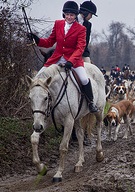
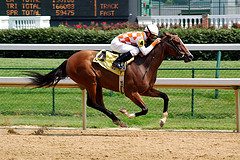
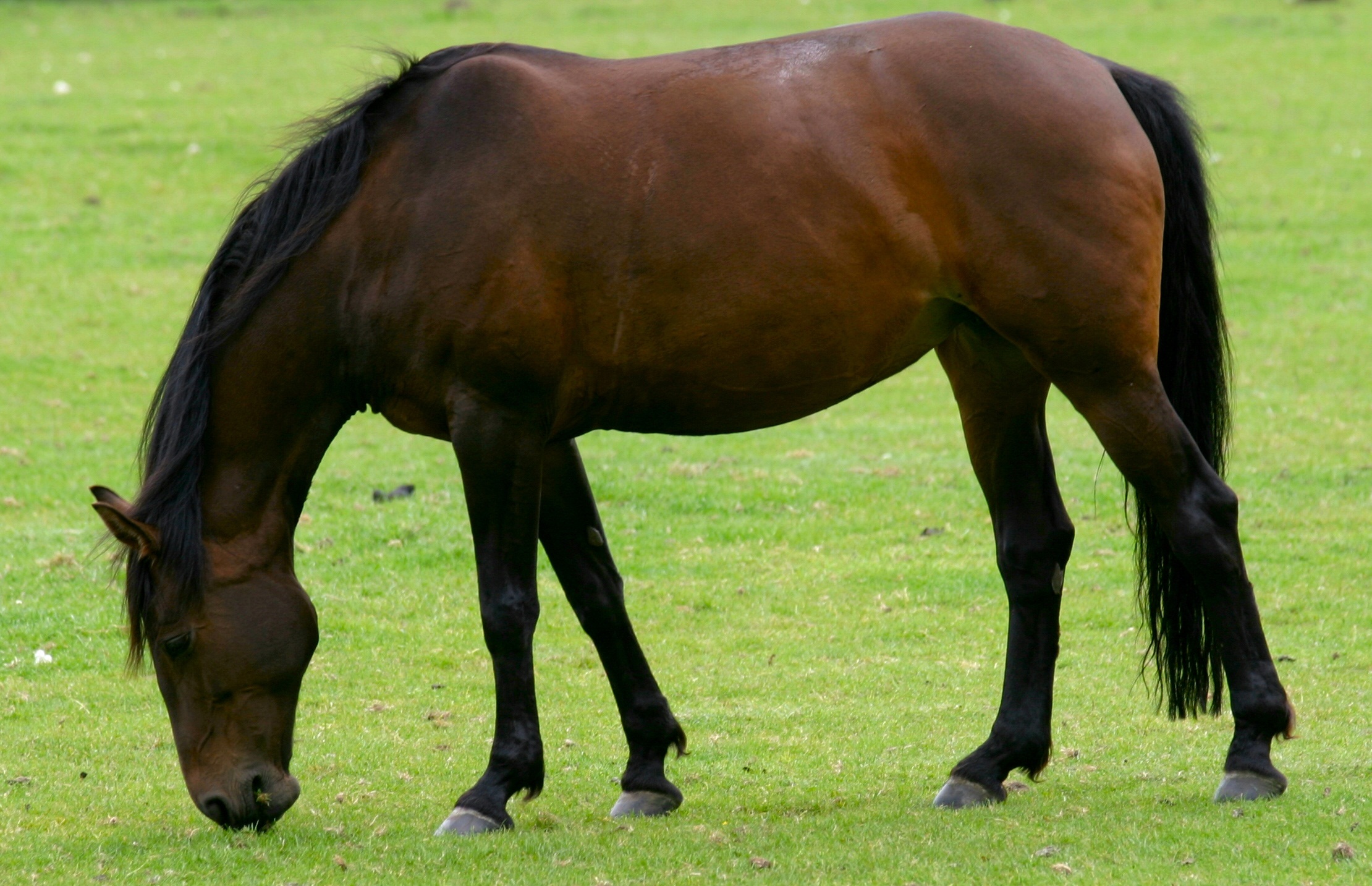
Thinker, working hard
Due to inappropriate handling she learned to shut down under saddle and would only respond if she was cued in exactly the way she had been trained. She was afraid to try. At the same time she was a panic attack waiting to happen on the ground. The slightest thing would provoke a frantic pull-back. My job was to convince her she was safe.
My husband’s horse, Koko, could have been the poster child for the introverted thinker type. Strong-willed and stubborn, she often had to be convinced to do what we wanted. Thank goodness she was also laid-back, sensible and good-natured. Her busy mind was evidenced by her quirky sense of humor and love of playing. She delighted in doing things like untying ropes (just to show she could) and flipping the barn light switches on and off.
What kind of equine personalities have you dealt with? What kind do you enjoy?



 uckskin is actually a faded (color-diluted) bay and has the same black mane, tail and legs. A dun has the tan color and black points, but also has a black stripe down its spine and occasionally zebra-like stripes on its legs. An interesting variant of the dun is the Gulla or Blue Dun. As the name implies it has a bluish cast to its coat.




 . Most blacks will fade (turn rusty colored) when out in the sun. Some have a blue-black coat that doesn’t fade. Even if sunburned the area around the muzzle or eyes is still black. Many blacks start out grey or dun and don’t turn dark until they shed out their foal coat.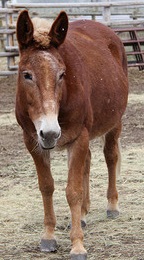
 sterile due to having an odd number of chromosomes (63). VERY rarely a mare mule may reproduce, but there is no record of a fertile mule stallion.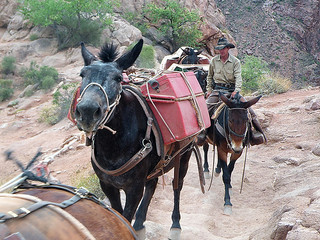

 icorn piñata hanging from a tree near the pasture and high-tailed it back to the barn. When a crowd of kids gathered around it and began playing with it, she couldn’t contain her curiosity and crept back up to the fence. Each time someone whacked at the toy and sent it swinging, she’d run away, then stop and turn to watch. In a few minutes, she was back at the fence again. I think she was quite disappointed when it finally broke.

 ll of Champions you can see retired Thoroughbred, Standardbred and Quarter Horse racing champions exhibited daily.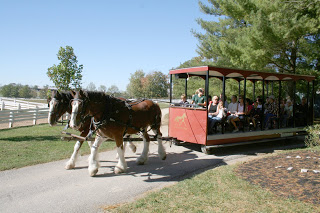


 Conversations with Horses and Others by Kate Wyland