Posts Tagged With: horses

In the Saddle: Regency Riding

.

Interesting article on riding sidesaddle and earlier styles of riding. I’ll let this take the place of the blog I had intended to do because the info is really good.

 .

This will be my last blog of the year. I’m going to take time off for the holidays and will resume blogging in the new year. Don’t forget my two Christmas promos.

 .

The Winter Wonderland Scavenger Hunt. http://tinyurl.com/n85tvtn

Win author baskets and discover new books.

.

Indie Tribe Special Christmas Showcase. http://tinyurl.com/nxyqbxn

Lots of fun authors and books.


SD Writer's avatarShannon Donnelly's Fresh Ink

foxhunting The horse was a vital part of everyday Regency life, but few of us today have such an intimate acquaintance with that lovely animal.  We all know how to describe someone getting in and out of a car, but what about getting on and off a horse?  What does it actually feel like to ride side saddle?  How can two people ride a single horse?

The English saddle has changed little in its appearance over the past two hundred years.  The major change came at the end of the 19th century when the modern “Forward Seat: was invented and the saddle flap began to be cut “forward” so that it lay over a horse’s shoulder (allowing a shorter stirrup).  Prior to this, riders sat very straight in the saddle, leaning back when jumping fences, as seen in hunting prints of the era.

The Side Saddle

sidesaddle1790-1810Prior to 1835, a side…

View original post 2,370 more words

Categories: history, Horses, nature, outdoors, riding, Thoroughbreds, Uncategorized | Tags: , , , | 4 Comments

Gaits – Not Gates

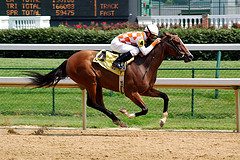
small_185495090

Today I’m going to talk about how horses move—their gaits. Contrary to what the movies usually show, horses do more than walk or run flat out. In fact the most commonly used gait of all, the trot, is only seen if they are pulling carriages. So what is the reality?

You’re probably familiar with the horse’s four natural gaits—walk, trot, canter and gallop. But did you know that some horses have six or more gaits? I’ll talk about the basics first.

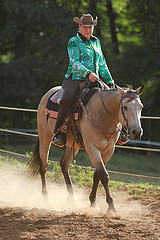
small_10020981376The walk is a slow four-beat movement. First a rear foot moves, followed by the front foot on the same side, then other rear foot followed by its front. With this pattern three feet are always on the ground providing a smooth, easy ride. Horses vary greatly in size, shape and energy, but an average walk is about four miles per hour. Some have much faster walks, in the six mph range.

A good rider knows to keep his/her body still and quiet so as not to disturb the horse’s balance. If you allow yourself to move in the saddle, the horse has to constantly deal with a shifting weight that can interfere with his equilibrium. Therefore, it’s important to keep your upper body still—but not rigid. Your pelvis needs to move with the movement of the horse’s body. At the walk, this means allowing each side of your pelvis to move forward and back independently as first one rear leg steps forward and then the other. At a normal, casual walk this is usually no problem. At a speed walk, it’s surprising how tiring that can be.

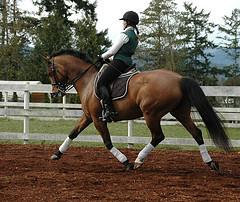
The trot is a faster two-beat gait where opposite pairs of legs move at the same time. small_369623604As each pair goes forward, the horse’s back drops a bit, which causes the rider to feel a jar when the feet land and the back rises again. Learning to ride a trot comfortably is a beginner rider’s hardest task. The easiest way is to learn to post, which means rising out of the saddle and sitting back down in rhythm with the gait. Some horses do a slow jog that has very little bounce and is much easier to sit, but it doesn’t cover a lot of ground. If you want to go a long distance fairly fast, you’ll be doing most of it at a trot. This applies whether you are riding or being pulled in a carriage or coach. The trot is the “working” gait for going places. Something to keep in mind if you write about people traveling distances.

small_2431865552The horse’s third gait has a couple of names. If you are riding English style it’s a canter, but it’s a lope when you ride Western. Either way, the canter is a three-beat leaping gait with a moment of suspension, but is much smoother to ride than the trot. Here the rider needs to let her whole pelvis move forward and back with the movement. The canter or lope is a controlled fast pace that allows you to cover ground quickly, for a shorter period of time.

The gallop or full out run is the fourth standard gait and used for racing or fleeing a predator in the wild. It’s a four-beat, stretched out, ground-covering canter that can only be sustained for a relatively brief period of time—one to two miles. Despite what you see in the movies, horses can’t run fast for long periods. Usually the rider stands in the stirrups when galloping.

In addition to these standard gaits, there are a number of additional gaits specific to certain breeds. These horses are unusual and fun and I’ll talk about them next time.

Here’s video about gaits:

***************************************

Race photo credit: <a href=”http://www.flickr.com/photos/kubina/185495090/”>Jeff Kubina</a> via <a href=”http://photopin.com”>photopin</a&gt; <a href=”http://creativecommons.org/licenses/by-sa/2.0/”>cc</a&gt;
Horse walking photo credit: <a href=”http://www.flickr.com/photos/63942879@N05/10020981376/”>Katherine Mustafa Photography</a> via <a href=”http://photopin.com”>photopin</a&gt; <a href=”http://creativecommons.org/licenses/by/2.0/”>cc</a&gt;
Horse trotting photo credit: <a href=”http://www.flickr.com/photos/nikkis_pikkis/369623604/”>nikki_tate</a&gt; via <a href=”http://photopin.com”>photopin</a&gt; <a href=”http://creativecommons.org/licenses/by-sa/2.0/”>cc</a&gt;
Horse cantering
Categories: dressage, Horses, nature, outdoors, Racing, riding, Thoroughbreds, training horses, Uncategorized | Tags: , , , , , | 6 Comments

Horse Power Revolution

.

I’m down with a miserable cold this week, so I’m going to refer you to an interesting program on the history of the horse–The Horse Power Revolution. I think you will enjoy it. I should be back to regular posts next week.

http://www.history.com/shows/big-history/videos/big-history-horse-power-revolution

*****

Don’t forget I’m involved with two great promotions this month. The Winter Wonderland Scavenger Hunt gives you the chance to win gift baskets while discovering new authors and books. Check out all the intriguing offerings.
http://www.nightowlreviews.com/v5/Pages/Articles/Winter-Wonderland-2013

My book FOREWARNING is being featured on the Indie Tribe Special Christmas Showcase. Come take a look for more great new authors and books.
http://www.theindietribe.com/special-christmas-showcase-ho-ho-ho/

Categories: Books, history, horse power, Horses, riding, Uncategorized | Tags: , , , , | 2 Comments

Feet and Farriers

medium_132910292There’s an old rhyme we’ve all heard as kids.

For want of a nail the shoe was lost.
For want of a shoe the horse was lost.
For want of a horse the rider was lost.
For want of a rider the message was lost.
For want of a message the battle was lost.
For want of a battle the kingdom was lost.
And all for the want of a horseshoe nail.

The poem is meant to show that small actions can result in large consequences. It also illustrates a basic fact of horse keeping: without proper hoof care, you can’t use a horse.

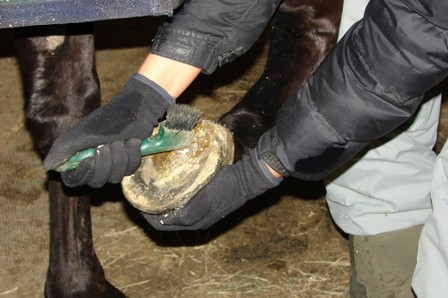
Cleaning a hoof

Cleaning a hoof

A hoof is essentially a long toe (or three fused together, to be exact). The outer wall is like a very thick toenail that wraps most of the way around the inner structures—soft tissues, ligaments, and bones. The sole of the foot is also made up of a fingernail-like material that is softer than the wall. It covers most of the bottom of the hoof except where the frog is located. The frog is a V-shaped, rubbery structure that acts as a shock absorber. In a wild horse that casually roams over varied natural terrain these parts of the hoof become hard and tough.

In contrast, domesticated horses that are kept in stalls, used on man-made surfaces such as stone, concrete and asphalt, and are asked to carry weight or pull heavy loads usually need protection for their hooves. In addition, man, through selective breeding, has greatly modified the horse, oft times creating a creature that would have no hope of surviving in the wild. Hence the invention of horseshoes and the development of the craft of the farrier or horseshoer.

Up until the Middle Ages, the distance a horse could travel was limited by how well its hooves stood up to the wear and tear of the load and the surface it was traveling on. Men tried different methods to attempt to protect the hooves, including the Roman hipposandal, a hard leather contraption they strapped on, but none were particularly successful. It wasn’t until sometime in the early Middle Ages that they began to work iron and bronze into horseshoes which they nailed on through the thick outer wall. Suddenly, horses could go much greater distances, which increased travel and trade.

Farrier at work

Farrier at work

When the farrier comes, he first pulls the old shoes, if any. Then he trims the hooves to make them level and even. Like fingernails, hooves grow and can be worn into lopsided patterns, so it’s important to rebalance the foot before putting on the new shoes. Just like people, horses feet are different shapes and sizes and the shoes need to be fitted to them.

Horseshoes can be worked in two ways—either by pounding a (cold) shoe that almost fits into the correct shape or by heating the shoe and reworking it to fit. If the foot is normal with no problems, cold shoeing is easiest. However, if either the type of work or physical problems demand something extra, then hot shoeing is the way to go.

Farriers have to study horse anatomy and physiology because they also deal with diseased and injured hooves that may require special shoeing. Laminitis and Navicular Disease are two problems that require long term, knowledgeable care. My husband’s horse, Koko, had a long ordeal with laminitis. Without our excellent shoer, we would have had to put her down much sooner. A good farrier is hard to find and important to keep.

No hoof, no horse.

******

Single shoe: photo credit: <a href=”http://www.flickr.com/photos/lwr/132910292/”>Leo Reynolds</a> via <a href=”http://photopin.com”>photopin</a&gt; <a href=”http://creativecommons.org/licenses/by-nc-sa/2.0/”>cc</a&gt;
Cleaning a hoof: photo credit: <a href=”http://www.flickr.com/photos/64081615@N06/5861756930/”>eXtensionHorses</a&gt; via <a href=”http://photopin.com”>photopin</a&gt; <a href=”http://creativecommons.org/licenses/by-sa/2.0/”>cc</a&gt;
Farrier:  photo credit: <a href=”http://www.flickr.com/photos/duanekeys/228806896/”>duanekeys</a&gt; via <a href=”http://photopin.com”>photopin</a&gt; <a href=”http://creativecommons.org/licenses/by-nc-sa/2.0/”>cc</a&gt;
Categories: blacksmiths, Farriers, horse care, horse shoes, Horses, nature, riding, Uncategorized | Tags: , , , , , , | 8 Comments

Eventing – Not For the Faint of Heart

.

Cross-country

Three-Day Eventing is an Olympic and international equestrian sport that originated in Europe as a competition to demonstrate the fitness of cavalry horses. In those days, the armies wanted horses that looked impressive on the parade grounds, could travel across any kind of terrain at speed and for long distances, and then be ready and able to continue the next day. To test these abilities they developed a three day competition—in essence an equestrian triathlon.

The first day the horses demonstrate their dressage skills, performing intricate movements requiring high levels of training and obedience. The second day they show their courage, endurance, and ability to handle all kinds of difficult situations by completing a challenging cross-country course. The last day they prove their fitness by doing a precise and demanding stadium jumping round.

These tests developed into national competitions, culminating in becoming an Olympic sport in 1912. Initially, only military officers were allowed to compete. In 1952 male civilians became eligible, but women weren’t allowed into the club until 1964. Equestrian sports are among the few where men and women compete head-to-head. With a couple of exceptions—rodeo and racing—male strength is not a particular advantage and both sexes can be equally successful.

Eventing has become a popular activity for all levels of riders. You can start out on very easy Beginner Novice, Novice or Training courses, then move up to Preliminary, Intermediate and Advanced. You can also take part in one day events known as Horse Trials.

A horse and rider compete either as individuals or, at the international level, also as members of a team. Scores are computed on the numbemedium_2568292756r of faults a pair collects. As in golf, the lowest score wins. You acquire faults through mistakes in the dressage test and refusals, course mistakes or taking too long in the two jumping portions. Three refusals or a fall of horse or rider will result in elimination. Horses are also eliminated if they don’t pass the daily vet inspections.

The most important qualifications for the horse and rider are courage and fitness. The horse has to trust her rider and be willing to go where asked, sometimes jumping blindly, not knowing what is on the other side. Of course, the rider has to be equally brave, trusting that the horse can do what he asks and will keep him safe.

One year I served as a jump judge at a local Intermediate championship. This involved sitting by a large wood pile jump and watching to see if any horse refused, totally missed the jump, or fell. While I had done some cross-country for fun, I’d never tried anything the size of that wood pile. The sight of those horses tearing downhill and then having to slow and gather themselves to jump had my heart in my throat a good part of the time. Unfortunately, one rider did not get her mount back enough so the pair did not make it and fell hard. The rider got up sooner than the horse. There was no question of it doing anything more that day. That was the inspiration for a similar incident in my book Forewarning. My heroine Kasey Edwards is a former Three Day competitor.

Just as vital is the athletic ability of both. Top ranked riders cross-train, ride multiple horses daily and are extremely fit. They also put in long hours conditioning their horses to be able to finish the grueling second day.

medium_8123864734Unlike most other Olympic sports, Three-Day Eventing started as an Olympic event and then developed as a more general contest. The Badminton Horse Trial in Great Britain was the first major non-Olympic event and is still considered the most prestigious. The premier Three-Day in the US in the Rolex, held at the Kentucky Horse Park in Lexington, Kentucky.

While the limited TV coverage of Eventing in the Olympics used to concentrate on jumping falls, the increased public interest has resulted in actually being able to see portions of all three events. Below are a couple of videos.

.

Three Day Eventing:  http://www.youtube.com/watch?v=_Fqjo9EST8I
2012 Rolex:  http://www.youtube.com/watch?v=nfYJjdggyq0
The Cross-Country Ride to London: http://www.youtube.com/watch?v=Q8aShtqmJ_o

.

.

photo credit: <a href=”http://www.flickr.com/photos/21795222@N06/2568292756/”>clickerjac</a&gt; via <a href=”http://photopin.com”>photopin</a&gt; <a href=”http://creativecommons.org/licenses/by-nc-nd/2.0/”>cc</a&gt;
photo credit: <a href=”http://www.flickr.com/photos/zlatko/8123864734/”>Zlatko Unger</a> via <a href=”http://photopin.com”>photopin</a&gt; <a href=”http://creativecommons.org/licenses/by-nc-nd/2.0/”>cc</a&gt;

Categories: dressage, Horse Trials, Horses, Kentucky, nature, Olympics, outdoors, riding, Three Day Eventing, training horses, Uncategorized | Tags: , , , , , , , | 15 Comments

A DREAM COME TRUE

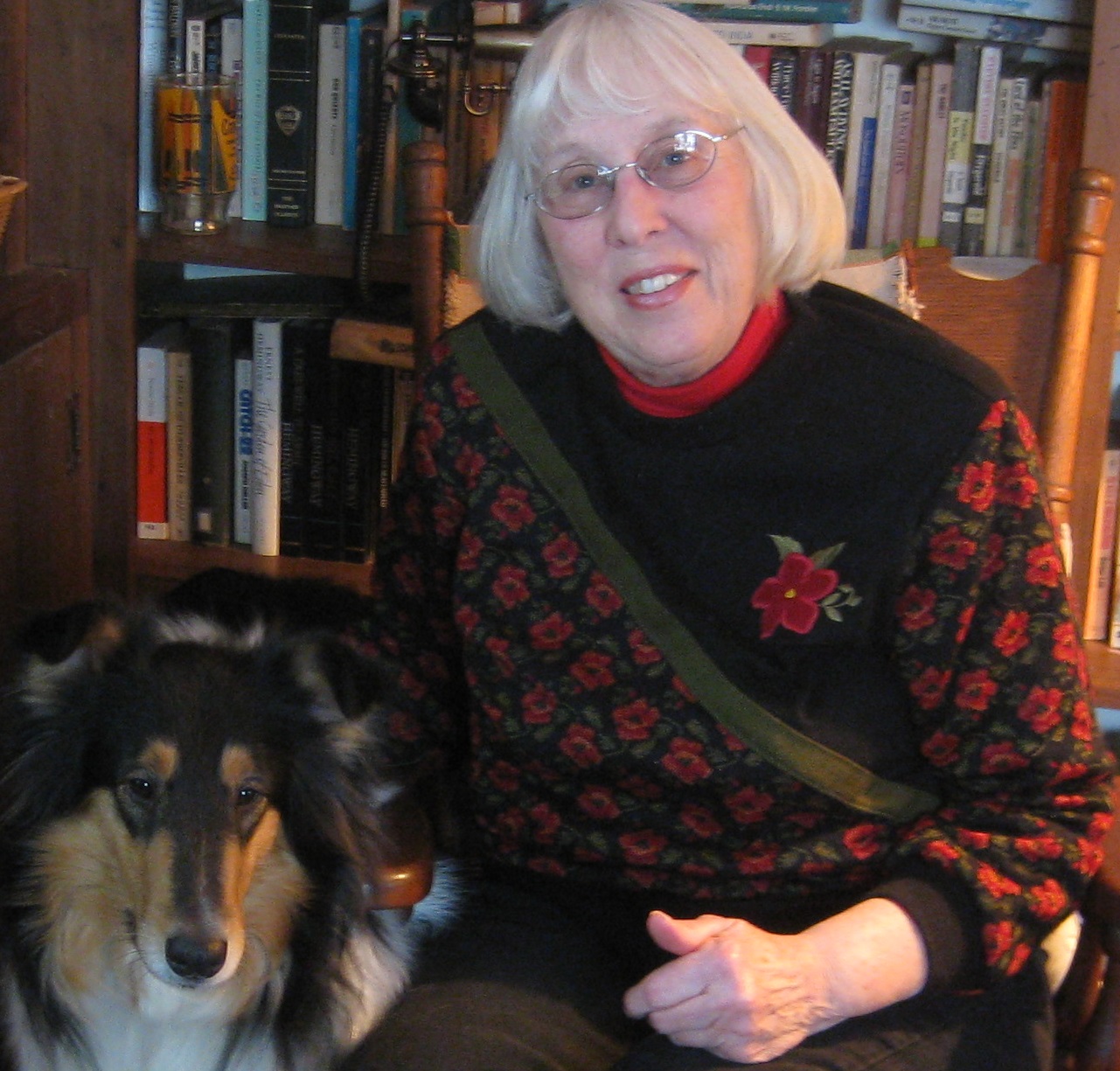
GloriaToday I’d like to welcome Gloria Alden author of the Catherine Jewell mystery novels The Blue Rose and Daylilies for Emily’s Garden. Gloria is a former third grade teacher who is spending her retirement writing short stories and novels. Her published short stories include “Cheating on Your Wife Can Get You Killed,” winner of the 2011 Love is Murder contest; “Mincemeat is for Murder” which appeared in the Bethlehem Writers Roundtable, “The Professor’s Books” in the FISH TALES Anthology; and “The Lure of the Rainbow” in FISH NETS, the newest Guppy Anthology. Her latest novel Ladies of the Garden Club will be coming out soon.

************

A DREAM COME TRUE

When I was a young girl, I galloped everywhere hitting my thigh to go faster on my imaginary horse. I galloped through fields and woods leaping logs, galloped across the road to my cousin’s house or to my grandparents farm and sometimes further down the road to another cousin’s house. Sometimes I rode Wildfire, and sometimes it was Thunderhead or Flicka or another horse in my stable of horses. I dreamed of someday having a ranch in the west with hundreds of horses.

I think my love of horses came from the story my dad told of a pony he rode one summer in the mining town in Pennsylvania where he grew up. My grandfather was foreman of the mining stable. The superintendent of the mine bought a beautiful black pony for his son, and it was kept in the mining stable. The pony tossed the boy the first time he tried to ride it so the superintendent asked my father, about the same age as his son, to ride and gentle it. All summer my father rode that pony, but the superintendent’s son never got over his fear of it so the pony was eventually sold.

During my galloping period, I read every horse book in my small rural library numerous times, and at Christmas I usually got a horse book, too. I dreamed of horses and drew pictures of horses, but I was thirty-eight years old before I finally got my first horse. My husband heard of a horse for sale and took me to see it. Of course, I fell in love with that strawberry roan paint. I thought he was beautiful. A few days later he was delivered. We had no barn, no saddle or bridle or even a lead rope. We did have hay, grain and a water bucket.

We put him in a shed and a few days later my husband and young teenage sons started building a barn – a large barn with five stalls. A week after my horse arrived, I now had a saddle and bridle.  I was ready for my first ride on my very own horse. Now, mind you, my riding had been very limited over the years. Mostly it was while we were on vacation and found a riding stable where you paid for an hour ride with a group on trails following a guide. Seldom did we move out of a walk, but maybe we’d trot a little and once in a great while gallop for a few minutes. Neither my husband nor I had ever saddled a horse, but we’d watched while these trail horses were saddled so we knew how to do it. Or so we thought.

As soon as the horse was saddled, I mounted and headed down a trail into the woods beside our home. He was a high stepper and both of us were eager to be out and on the trail. I was euphoric. His ears were perked forward interested and curious as we went along. And then I turned him around to head back. Maybe I should have thought twice about buying a horse named Rebel because as soon as we were heading back, he took the bit in his mouth, and I couldn’t slow him down. He was heading home, and just where that home was in his mind, I didn’t know. It was then I felt the saddle slip. I learned from that experience, you always tighten the girth, wait a bit for the horse to relax and then tighten it more. Anyway the saddle slipped and ended up under Rebel. Fortunately, I was able to kick my feet free from the stirrups and landed on the ground still holding onto his reins so he didn’t end up in some other county. He jumped about trying to get rid of that thing, but fortunately, I was able to unbuckle the saddle and not get kicked or stepped on.

So at the end of my first ride on my very own horse, I walked home with a saddle on my back now leading a docile horse. It wasn’t exactly the way I had envisioned that first ride. Eventually, Rebel was sold. He was a rebel. Over the years there were other horses and ponies. Once we had five at one time, one we boarded for a friend. My four kids joined 4H, and I became proficient at saddling and caring for horses. I learned to pull a horse trailer to take them to shows and for riding lessons and even took riding lessons, too.ponies2

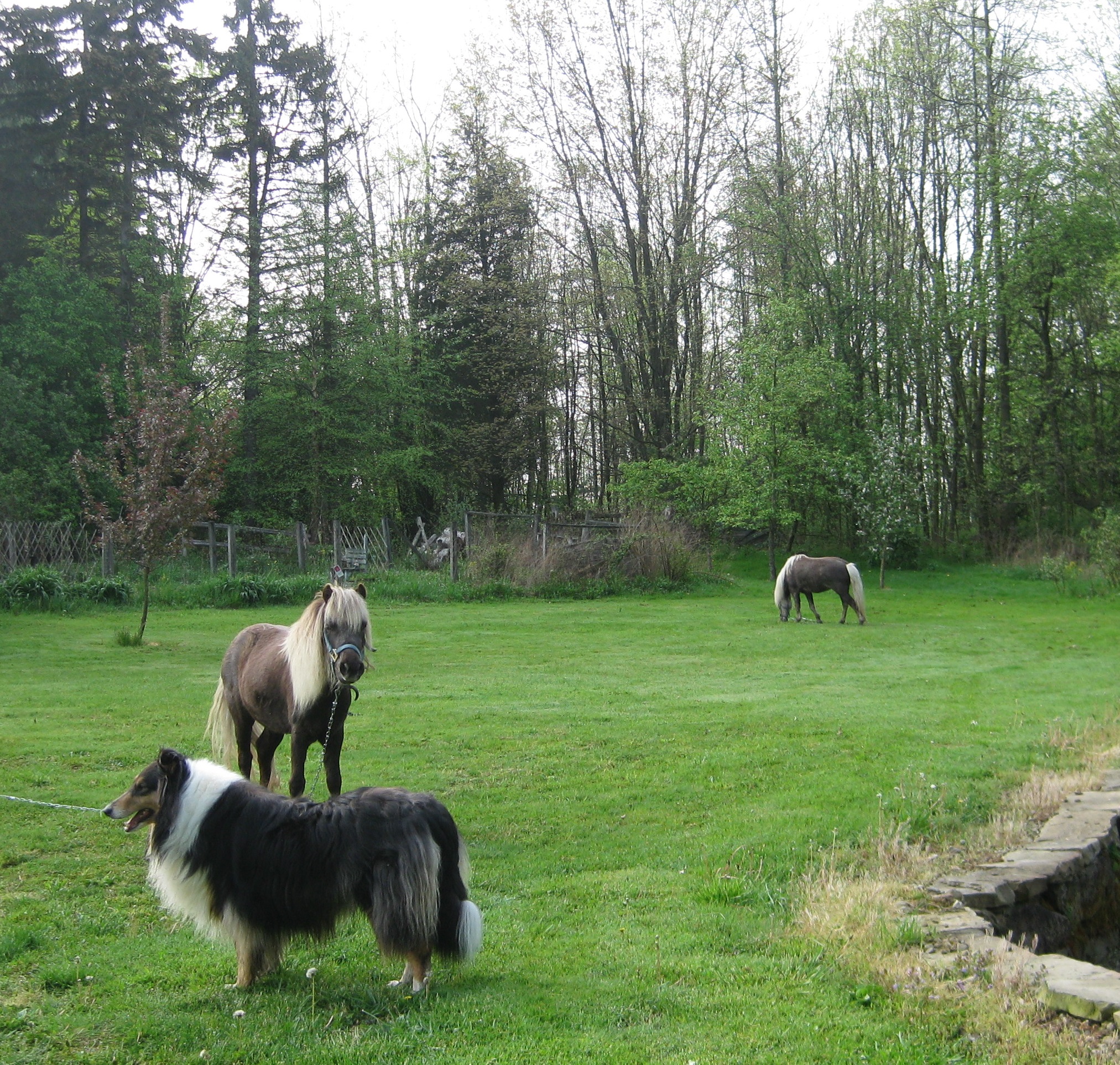
Then there came a day when I had to move. I had to sell my last two horses because I didn’t have the money to put new fencing around the pasture of the small farm I bought. The house needed too many repairs and the barn needed a new roof. But my love of horses never went away. However, I down sized the dream. Now I have two totally useless small ponies – sisters – that I rationalize keeping as being compost makers for my gardens, but it’s really because I love them.

What dream did you have when you were young? Did it ever come true?

*********

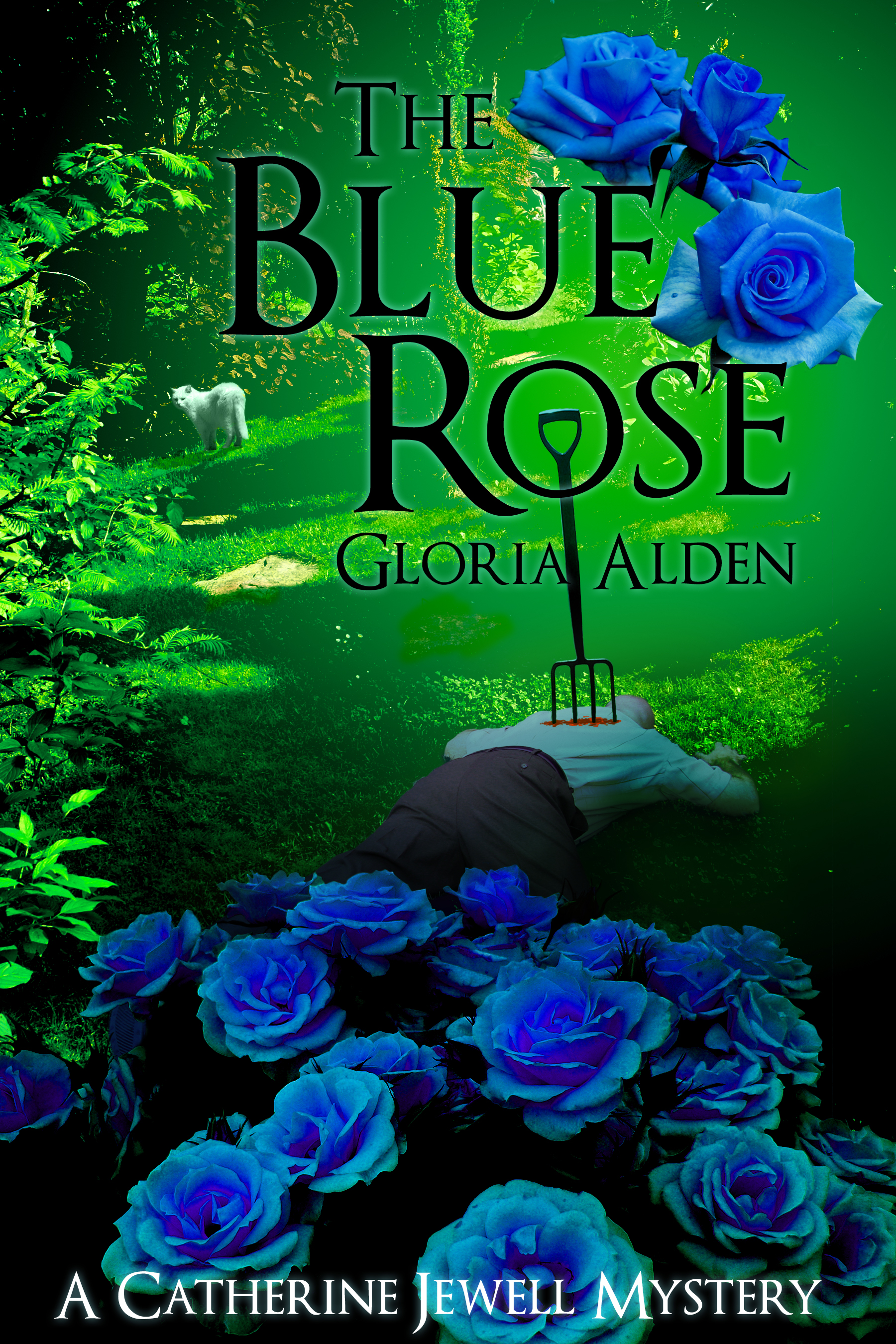
blueRose_flatIn The Blue Rose Catherine Jewell enjoys the small quiet town she’s recently moved to where she’s a botanist at Elmwood Gardens and also has a small garden center, Roses in Thyme. At least she does until she discovers a body with a garden fork in his back at Elmwood Gardens. John MacDougal, the police chief of Portage Falls, has never had to deal with a murder in his ten years as police chief. As he questions the suspects, many who are Catherine’s co-workers and friends, she works to divert his suspicions elsewhere since she’s sure none of them could be the murderer. When another body is discovered, they start working together, and in spite of their inexperience and several close calls with death, they solve the murders and restore calm to the little town of Portage Falls.

.

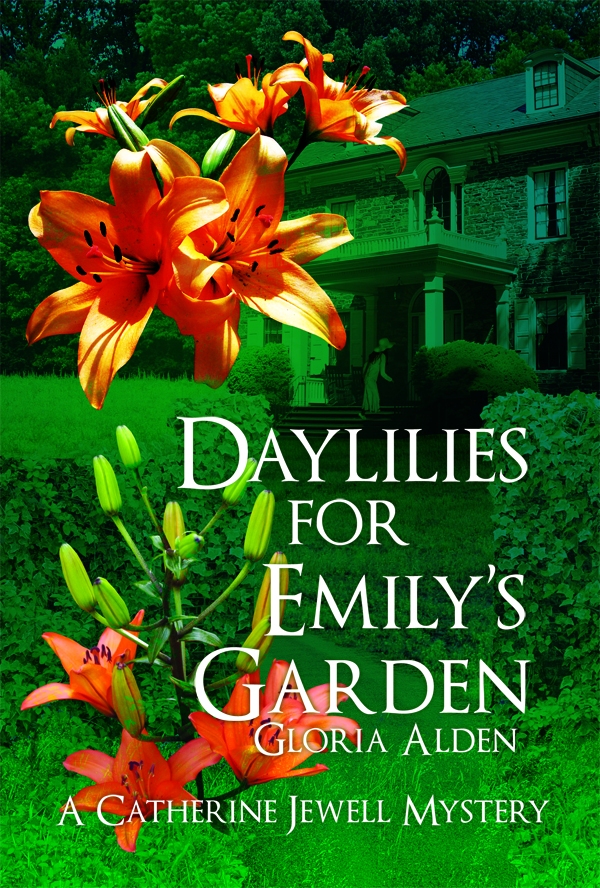
In Daylilies for Emily’s Garden Catherine Jewell is excited about restoring the gardens at the estate ofdaylilies_frontPreview1 the reclusive Emily Llewellyn. Everything for this project is arranged through Charles McKee, her secretary and companion. Catherine’s curiosity of this eccentric recluse is piqued when her only contact with Emily is through brief glimpses of her through a window before she quickly disappears. Catherine’s excitement dims a little when she discovers a dead body. Meanwhile other unsettling events are going on in Portage Falls. A bypass coming closer to town threatens wet lands and the residents are divided on the next phase of the construction.  When environmental activist Bruce Twohill comes to save the wetlands some consider him a savior while others like Police Chief John MacDougal are suspicious of this stranger. Another dead body is discovered and the buzz around town thinks it’s connected with the first body.  Returning characters from The Blue Rose plus new and interesting or quirky characters add color to the small town of Portage Falls in this second book in The Catherine Jewell Mystery Series.

.

Both books are available on Amazon and Smashwords

************

You can contact Gloria at:
Website: www.gloriaalden.com
http://writerswhokill.blogspot.com

Categories: Horses, Mystery, nature, outdoors, ponies, riding, Romantic suspense, Trail riding, Uncategorized, writing | Tags: , , , , , , , , | 7 Comments

Draft Horses – Gentle Giants

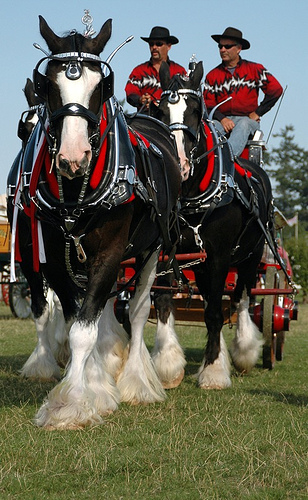
219597161_deb25f55f6_nEvery winter when I was a kid, my friends and I looked forward to the week before the Pasadena Rose Parade. That was the time when the Budweiser Clydesdale horses came to town and stayed at our local stable. We’d all ride (horses or bikes) up to the barn and hang out for hours watching their handlers bathe and groom the gentle giants. We’d never seen horses that big—approximately twice the size of our own. The average riding horse stands around 15 hands tall (five feet at the withers, where the neck joins the back) and weighs about 1000 pounds. The Clydes stood 18 hands (six feet) and weighed around 2000 pounds. They were so big their grooms had to stand on long tables in order to reach the top of their backs and necks. Their feet were three to four times bigger than our horses’ hooves and their huge horseshoes were said to weigh five pounds. They were a wonderful, exotic sight.

Of course 50 years earlier they wouldn’t have been exotic at all. For millennia draft horses were the tractors and trucks of the world. They pulled plows to work the land, logged the forests, hauled freight wagons and coaches, and sped the early fire wagons to their destinations. During World War I, the U.S. shipped more than 1,000,000 horses to Europe to haul artillery and pack supplies and ammunition.

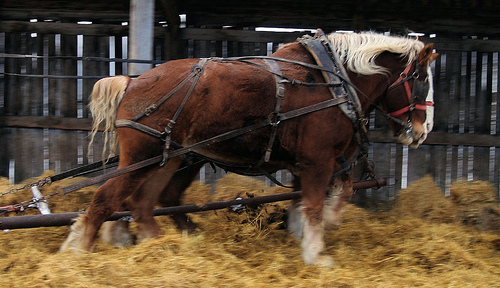
The conformation (build) of draft horses differs from that of riding horses because they are used for pulling, instead of carrying. In addition to being big and medium_343344475powerful, they have an upright stance, which is better for working in harness, and huge hindquarters that, combined with their over-large feet, give them tremendous pulling power. Most also have lots of hair, known as feathers, on their lower legs, heavy bones and either straight or roman noses. They come in a variety of sizes, ranging from about 1300 pounds to over 2400. The largest horse on record, a Shire named Samson, was 21.2 hands high and weighed approximately 3,300 pounds.

No matter the breed, one characteristic all drafts have in common is a calm, sweet temperament. While a fiery, aggressive attitude might be desirable or at least tolerated in some riding horses, a 2000 pound hot-head would be extremely dangerous. So they’ve been bred to be patient and docile. Children routinely handle the powerful animals. The faithful, loving farm horse is not a myth.

Drafts were vitally important to American agriculture from about 1820-1920. Before that oxen were cheaper to use. But a revolution in farm machinery required bigger, more powerful and faster animals, so the work horse came into its own and helped create the breadbasket of America. Then in the 1920’s the motor vehicle entered the picture. Tractors and trucks took over and the number of drafts decreased dramatically, with some breeds actually becoming endangered.

In the 1960’s people became interested in them as pleasure animals medium_410928490and their popularity grew. Today they are mainly used at shows and parades, in pulling contests and for carriage and wagon rides. However, some are again being used for logging and farming too.

Drafts are also sometimes crossed with lighter riding horses to create sturdier sport horses used for jumping and cross-country competitions. While most drafts are used in harness they most definitely can be ridden and you will see them both on the trails and in the show ring.

Here are a couple of videos showing draft horses in action.

http://tinyurl.com/mg92hu4

http://tinyurl.com/k5vbsne

.

Clydesdale photo:  http://www.flickr.com/photos/trinity/219597161/sizes/s/in/photostream/
Draft photo:  http://tinyurl.com/mfw3ce2
Three horses photo: http://tinyurl.com/ms8al65

Categories: Clydesdales, draft horses, Horses, Uncategorized | Tags: , , , , , , | 6 Comments

Horses are Characters, too…

.

JoAnn_hands_chinWingsEdit-v2_300Today my guest JoAnn Smith Ainsworth talks about a very special animal that helped her through a difficult time in her life.

When JoAnn Smith Ainsworth carried wood as a pre-teen so her Great Aunt Martha could stoke up the iron stove to prepare dinner, she wasn’t thinking, “I could use this in a novel someday.” Yet, the skills she learned from her horse-and-buggy ancestors translate into backdrops for her historical romance and paranormal suspense novels.

Her most recent release is Polite Enemies, published by Whiskey Creek Press and available as an ebook too. Here’s JoAnn.

******

POLITE ENEMIES features a farm horse, Old Molly, who appears in many high-profile scenes. In 1895 Wyoming, Old Molly thwarts outlaws, hauls equipment to fight a fire and, notwithstanding exhaustion, comes out of the barn one more time for the heroine to defend her hero. Old Molly has a personality that makes her one of the story characters.

Old Molly has been with the family for over a decade. Whether called upon to pull a plow or haul a load of farm produce to town, Old Molly placidly does her duty. The hero is a rancher so there are other, more powerful horses in the novel, but none of those horses have the personality and importance of this tried-and-true farm horse.

Incorporating a horse with a “personality” into POLITE ENEMIES came from my own experiences as a horse owner. I owned a horse for a few years and he played a central role in my life.

Sensacional was a Peruvian Paso with dark coloring, an almost-to-the-ground, black tail and a flowing, black mane. He had a very smooth, specialized gait, (which looked like this horse riddenSilvano Taipe show horse by my trainer, Silvano Taipe). Sensacional played a major role in helping me survive the transition of my son from a dependent child into an antagonistic teenager and, finally, into an independent young man. I had to learn to step away, to give my son enough space so he could grow. Sensacional was the “crutch” that helped me through the transition. He kept me from a mother’s despair as her child pulls away from her.

Sensacional was a rescue horse. In a way, we rescued each other. He was a beautifully trained gelding with quality features, but his owner died suddenly. Those family members dealing with a human death forgot about the horse. Not being fed and watered, Sensacional went to skin and bones. By the time I got him, he was too weak to carry a person. The trainer spent a few months to fatten him up and rebuild muscle tone. We took long walks together while Sensacional was unable to carry weight.

I would speak to him as we walked and he seemed to understand and accept the bond of mutual need being built. Although he was a show horse at one time, I wanted him for trail rides on a Napa County recreational ranch. Peruvian Pasos can cover miles with ease and provide a smooth ride because of their gait. As Sensacional responded to food and exercise and companionship, we became closer. Eventually, he was fit for trail rides.

My mothering instinct traveled from my son to my horse. Where my son rejected fussing and care, Sensacional loved being coddled and groomed. The horses in POLITE ENEMIES benefitted from my experience.

As is the nature of things, during this time my son and I became more estranged, but Sensacional took the sting out of it. It took my son into his early twenties to return to a belief that parents might have some value in this world. It took Sensacional less than a year to return to his original beauty and most of his strength, but the starvation had taken a toll on his health and shortened his life span. Sensacional neared the end of his days and passed out of my life at a time when my son reached his maturity and eventually came to believe a mother might be worth acknowledging once again.

Have you ever had an animal which helped you over hard emotional times? Describe your experiences for us.

********

Polite Enemies COVER_300x200IDA LOUISE OSTERBACH survived Indian and range wars and the murder of her husband. She’s kept the farm going through sheer grit and the help of her cousin, a friend and two farm hands. She’s managed a profit, paid the mortgage and re-paid the crop loans. Hard working, focused, fiercely proprietary, the last thing she has time for is romance.

JARED BUELL—widower neighbor and wealthy rancher—was never particularly charitable when it came to farmers, even eye-catching ones like Ida. He’s not looking to start trouble or anything else with her. His comfortable existence needs no complications, thank you very much. Then an old nemesis comes to town and threatens his and Ida’s property. He has no choice but to get involved.

Experience this action-packed romp through 1895 Wyoming where an outlaw schemes to take over the town and Ida and Jared find love when they least expect it.

Read an excerpt at http://bit.ly/1epn2aM.

******

Contact Joann at:

http://www.joannsmithainsworth.com

joannparanormal@gmail.com

Visit @JoAnnAinsworth on Twitter and Facebook.
Categories: Horses, nature, Romantic suspense, Uncategorized, Western romance, Wyoming | Tags: , , , , , , | 13 Comments

Personalities and Horses

Last week I posted about how sex or gender influences how horses interact with the world and you, as a rider or trainer.  But that isn’t the only thing you need to be aware when handling these wonderful animals. Just like people, horses have very different and distinctive personalities. Some of these are easy to live with and others are quite challenging.

(I still haven’t quite caught up from being gone most of last month, so I am again reusing parts of an early post which ties in with last week’s.)

My first instructor in this area was my horse, Star, who I’ve talked about before. small_4888162686I became pretty successful in teaching her to do a lot of different things. Then her second son, Junior, came along and I discovered I needed a different set of tools to work with him. And this has been true with each horse I’ve dealt with.

You can classify horses as having four basic personalities. They can be Extroverts or Introverts. They also can be Thinkers or Reactors (emotional). This means you can have an extroverted-thinker, an extroverted-reactor, an introverted-thinker and an introverted-reactor. Then you add their gender and their experience into the equation and you have a complicated being that requires some thought to train effectively. Each personality type has its pluses and minuses and is good for different things and different riders.

Star was an extroverted-thinker. She was friendly, self-confident, rarely afraid of anything and willing to try whatever I asked her. She was also strong-willed and could be difficult. Horses are prey animals and, as such, are basically “scaredy cats.” In the wild they stay alive by being hyper-aware of their environment and ready to run on an instant. Domestication hasn’t done away with that basic instinct. A horse whose emotions dominate sees threats everywhere and can react without thinking. My Portia was a prime example. When I first got her, she would whirl and try to bolt at the slightest provocation. Typical extroverted-reactor.

Star, on the other hand, rarely reacted to anything. Her version of a spook was to stop, study the offending object for a minute and then go up and sniff it. She had grown up along a railroad track and had experienced earth moving equipment moving around her space, so she learned early thatsmall_4125411682 loud noises and big things weren’t usually dangerous. Given her basic self-confidence, she extended this attitude to the rest of her world. You could surprise her, of course. She wasn’t bothered by the fire engine racing down the street, but nearly jumped onto our neighbor’s porch when it suddenly blasted its siren right alongside her. Scared the dickens out of me too!

Because of her personality, Star was easy to teach, once we started communicating properly. She enjoyed learning, experiencing new things and exploring new trails. Portia liked to learn too but got upset easily, which shut down her brain. On the other hand, Glory, an introverted-reactor, is harder to teach because she’s afraid to try new things. And my husband’s horse, Koko, an introverted- thinker, could be down right stubborn about trying anything new. So I have had to adjust my methods for each personality.

Being aware of these personalities also helps you when you pick out a horse to own or work with. Some people do better with one type, and others do better with a quite different one. Since I’m more of an introverted-thinker, dealing with a horse of the same style would drive me bonkers in the long run. We’d probably both fall asleep. I do much better with the reactors who need to be calmed down. This wouldn’t be true of someone who had an emotional nature. They would be better at energizing a thinker.

What personality type are you?  What types do you like best?

.

photo credit: <a href=”http://www.flickr.com/photos/pictureclara/4888162686/”>Clara S.</a> via <a href=”http://photopin.com”>photopin</a&gt; <a href=”http://creativecommons.org/licenses/by/2.0/”>cc</a&gt;
 
photo credit: <a href=”http://www.flickr.com/photos/abejorro34/4125411682/”>abejorro34</a&gt; via <a href=”http://photopin.com”>photopin</a&gt; <a href=”http://creativecommons.org/licenses/by-nc/2.0/”>cc</a&gt;
Categories: horse personalities, Horses, nature, outdoors, riding, training horses, Uncategorized | Tags: , , , , , , , | 4 Comments

Sex and the Single Horse

Due to attending the Emerald City Writer’s Conference in Seattle last weekend I’m recycling another early post. This one deals with how the sex of a horse influences how you deal with him or her. Next week I plan to get back to my regularly scheduled posts.

There is an old horseman’s saying: You can TELL a gelding what to do, you should ASK a mare and must NEGOTIATE with a stallion. Many people either are unaware of how important gender can be or think it doesn’t matter. This can interfere with them getting the best from their horses.

small_4858113130  A gelding is a male horse that’s been neutered. As such, he’s no longer ruled by his hormones and tends to be more even tempered. Most are gelded when they are quite young and often remain “child-like” with a relaxed and playful attitude toward life. Of course, breed and personality influence things too. Some are bred to be hot and excited, such as the thoroughbred, and some are bred to be laid back and cooperative, such as draft horses. But in general, a gelding is easier to deal with.

.

Mares, on the other hand, are quite influenced by hormones. From early Spring to late Fall, they come into season about every 21 days unless impregnated. For some this issmall_2645376508 a big deal and they can be unpleasant or irritating to deal with. Most just get a little touchy and distracted. And just like with people, when someone isn’t feeling their best or isn’t attentive, it’s not wise to try to force an issue. Also because of the biological imperative to have babies, mares tend to have a more serious attitude toward life. This means they can get insulted quite easily. That can provoke a sullen shutdown, fearful withdrawal or determined resistance depending on their personality. But their mothering instinct is also a big plus. They want to cooperate and please and most will try their hardest for you if you ask nicely.

Stallions have small_2431865552one purpose in life – to breed and protect their mares and babies.  They are the ultimate alpha males. As such they can be quite difficult to live with and that’s why most males are gelded. Given how powerful and determined they are, you don’t want to provoke a fight. It’s unlikely to end well. All horses need to be taught to respect and obey humans, and this is vitally important with a stallion. The scent of a mare in season can turn an untrained stud into a dangerous time bomb and be a potent distraction for the well-trained. So, you have to take into account the forces driving them and figure out how to negotiate their cooperation. The results can be spectacular.

.

Have you noticed or had experience with sex differences in any animals? If you’re into horses, which do you prefer?

.

Brown horse and rider: photo credit: <a href=”http://www.flickr.com/photos/highwayoflife/4858113130/”>Highway of Life</a> via <a href=”http://photopin.com”>photopin</a&gt; <a href=”http://creativecommons.org/licenses/by-nc-nd/2.0/”>cc</a&gt;
Mare and foal: photo credit: <a href=”http://www.flickr.com/photos/nomanson/2645376508/”>nomanson</a&gt; via <a href=”http://photopin.com”>photopin</a&gt; <a href=”http://creativecommons.org/licenses/by-nc/2.0/”>cc</a&gt;
Stallion: photo credit: <a href=”http://www.flickr.com/photos/valeehill/2431865552/”>valeehill</a&gt; via <a href=”http://photopin.com”>photopin</a&gt; <a href=”http://creativecommons.org/licenses/by-nd/2.0/”>cc</a&gt;
Categories: horse care, horse personalities, Horses, nature, riding, training horses, Uncategorized | Tags: , , , , , , , , | 12 Comments

Blog at WordPress.com.